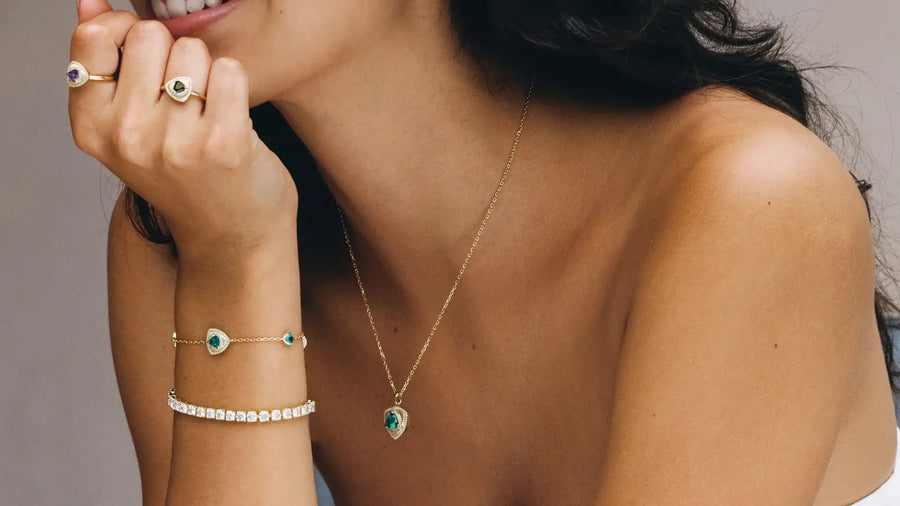
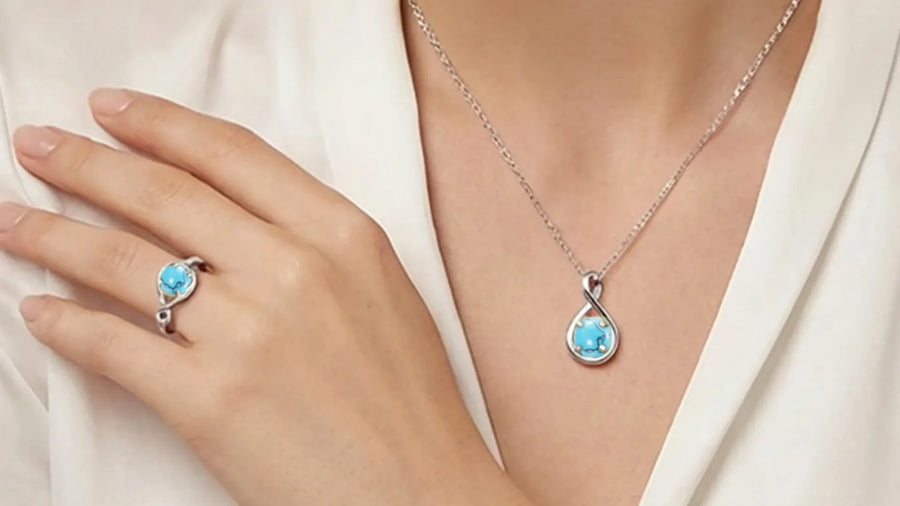
A cross necklace sits differently on every chain length, so the same pendant can read as a quiet everyday detail or a clear focal point. Three choices shape the result: how long the chain is, how large the cross is, and whether a small stone is added. Start with the length, then size the pendant to match.
Key Takeaways
The essentials at a glance:
- Chain length sets where the cross falls, from the collarbone to the middle of the chest.
- A small pendant suits daily wear, while a larger one reads as a focal piece.
- Adding one birthstone turns a shared symbol into a personal gift without changing the shape.
- Match the metal to how often the piece is worn, and check the product page for the exact material.
- A matching bracelet can echo the pendant, but keep both pieces in the same metal tone.
Chain Length Decides Where the Cross Sits
Chain length is the first decision because it fixes where the pendant falls before style enters the picture. A 16 inch chain rests close to the collarbone, an 18 inch chain sits just below it, and a 20 inch or longer chain drops toward the middle of the chest. The same cross looks restrained on the shortest length and more noticeable on the longest, purely because of where it lands.
Think about the necklines you wear most. A short chain works with crew necks and collared shirts, where the pendant stays above the fabric edge. A longer chain clears a high neckline and still shows over a sweater. The guide to necklace chain length walks through how each length sits on different necklines, which is useful if the piece will be layered later. An adjustable chain with a short extender covers both cases, so you can shorten it for work and lengthen it on weekends without owning two necklaces.
Layering changes the math a little. If the cross will share the neck with other chains, an 18 inch length is the easiest anchor because it leaves room above and below for a second piece. The how to layer necklaces guide covers spacing and how to keep two pendants from colliding. The cross necklace collection shows which chain lengths are paired with which pendant sizes, so you can see the proportion before you buy. Once the length feels right, the rest of the choices get simpler.

Size the Pendant to the Wearer
Pendant size should follow the person and the setting, not the other way around. A cross under half an inch reads as a quiet detail that works with almost anything, while one closer to an inch becomes the clear center of an outfit. Neither is better, but they suit different days. Small pieces disappear into a work wardrobe, and larger ones hold their own over a plain knit or a dark coat.
Proportion matters as much as the number on a ruler. A very small cross on a long, heavy chain can look lost, and a wide cross on a fine short chain can pull the whole piece forward. The cleanest pairing keeps the pendant and the chain in the same visual weight. For a gift, a modest middle size is the safest choice because it works on a smaller frame without looking oversized and still reads clearly on a taller one.
Occasion is the other useful guide. A piece meant for daily wear tends to be small, smooth, and free of sharp edges that catch on fabric. A piece meant for milestones can carry more detail and a larger outline. The necklace gift message motifs page covers how a symbol changes with the message attached to it, and the necklace for mother collection shows sizes that work as personal gifts. If you are choosing for a child or someone with a petite frame, size down one step from what looks right in a product photo on a screen.
Add a Birthstone for a Personal Layer
One small birthstone turns a shared symbol into a personal gift. Many cross pendants leave a tiny space at the center or at the base for a single stone, and that stone can mark a birth month, a child's month, or a date worth keeping. The outline of the cross stays the same, so the piece keeps its familiar shape while gaining a detail that only the wearer fully understands.
That is where a gemstone reference earns its place in the decision. The GIA guide to birthstones lists the traditional stone for each month, which is the quickest way to settle on a color before you order. The GIA gemstone reference explains how cut and hardness affect a small stone set into metal, useful reading when the accent has to sit flush and stay put. For a spring month, the GIA April birthstones page shows how one month maps to a specific stone, a handy example of the general idea. A small accent also keeps the cost steady, since a single stone adds far less than a full row.
Keep the accent quiet. A stone that is too large competes with the shape, and a contrasting metal around it breaks the line. A bezel setting holds a small stone securely and keeps the profile low, which matters on a pendant that brushes against clothing all day. The couple jewelry symbols guide has more on combining a shared motif with a personal detail if you are choosing a paired gift. Ask the maker whether the accent stone can be swapped later, since birth months sometimes get added to a family piece over time.

Match Metal and Care to Daily Wear
Care for the whole pendant based on its softest part, whether that is the metal or a small stone. A cross worn every day meets collars, scarves, and the occasional knock against a desk, so the least durable element sets the cleaning routine. Diamond shrugs off that kind of use, while softer materials need a gentler hand. The GIA guide to diamonds explains where the hardest option sits on the scale, the GIA guide to pearls covers why a soft accent wants a milder wipe, and the GIA guide to opal notes the care that even softer stones need around water. If any of those share the pendant with metal, a dry cloth is safer than a soak.
The metal itself deserves a close look. Gold tone styles can be plated, so check the product page for the exact material before you buy rather than assuming the whole piece is one metal. If skin reacts easily to jewelry, the sensitive skin jewelry metals page lists what to check before ordering. The care for sterling silver jewelry guide explains how to slow down surface changes on silver settings, which is the most common concern for a piece that rarely comes off. Store the necklace hung up or laid flat with the clasp closed, and the chain stays free of knots.
A cross bracelet can echo the pendant without competing with it. Wearing the same motif on the wrist and the neck works best when both pieces share a metal tone and the wrist version stays smaller, so the necklace remains the focal point. Keep the finishes consistent, because a bright chain beside a muted bracelet tends to look accidental. These small choices are what make a set feel deliberate rather than assembled from separate purchases.
Frequently Asked Questions About Cross Necklaces
Q1: What chain length works best for a cross necklace?
An 18 inch chain is the safest starting point because it sits just below the collarbone and works with most necklines. A 16 inch chain reads more discreet, while a 20 inch chain shows the pendant more openly. An adjustable extender covers all three.
Q2: How large should a cross pendant be?
For daily wear, a pendant under half an inch stays quiet and comfortable. Larger pieces near an inch work as a focal point for special occasions. Match the size to the wearer's frame and to the weight of the chain.
Q3: Can I add a birthstone to a cross necklace?
Yes, if the design leaves a setting for one. A small stone at the center or the base can mark a birth month without changing the shape of the cross. Ask whether the accent can be swapped later if your family grows.
Q4: Can a cross necklace be worn every day?
Yes, provided the metal and any stone suit frequent wear. A smooth, low profile pendant with a secure setting is the easiest version to keep on. Choose the cleaning routine based on the softest part of the piece.
Q5: How do I keep a cross necklace from tangling or tarnishing?
Close the clasp before storing it, and lay the chain flat or hang it up. Keep it dry and wipe it with a soft cloth after wear. Check the product page for the exact metal, since plated finishes need a little more care than plain ones.